This webinar introduces key updates in acute ischemic stroke management, focusing on how modern decision‑making integrates time‑sensitive evaluation, advanced imaging, and AI‑supported tools. It also reviews the expanded…
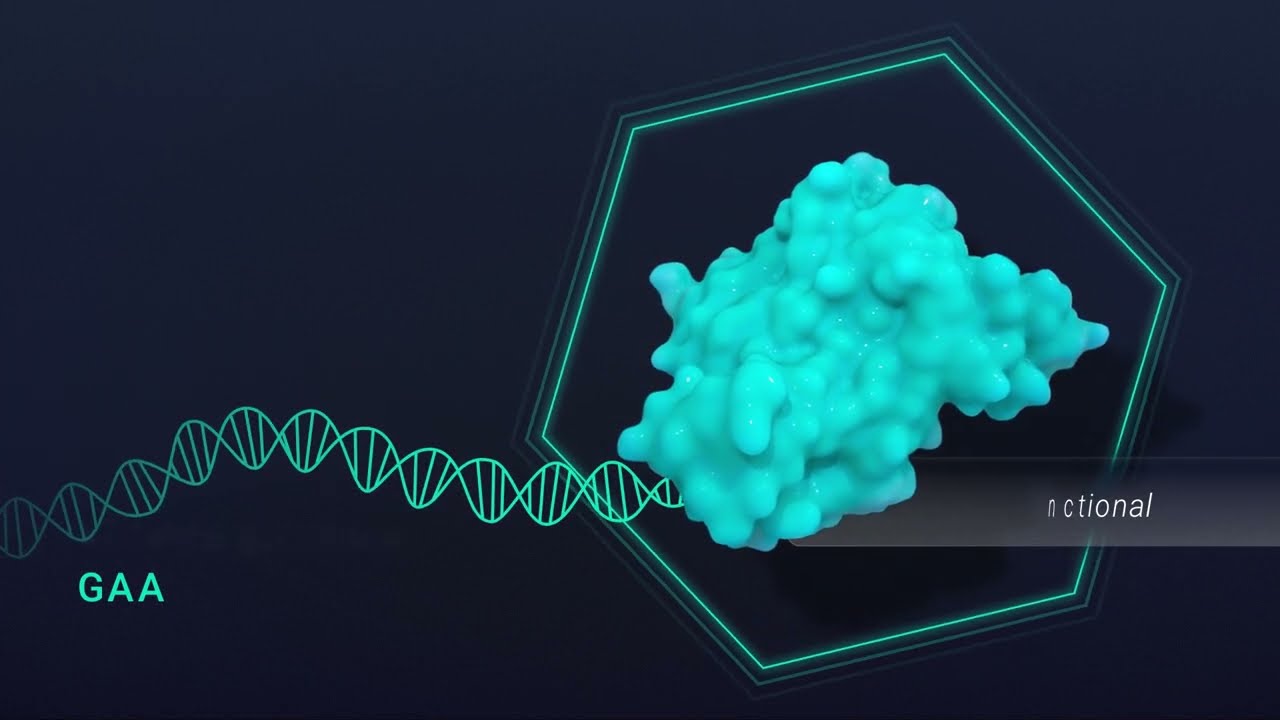
Pompe disease is a rare, life-threatening genetic disorder caused by GAA enzyme deficiency, leading to glycogen buildup and muscle cell destruction. It presents on a spectrum, from infantile-onset…
Katarina Rukavina, MD, PhD, Movement Disorders Hospital, Beelitz, Germany, shares insights and guidance for palliative care for patients with Lewy body dementia. Dr Rukavina discusses the importance of…
Vestibular migraine is a migraine attack that affects the brain’s balance system instead of causing traditional head pain. It can cause vertigo, rocking, imbalance, nausea, light sensitivity, sound…
In this insightful KOL interview, we speak with Dr. Nandini Bakshi, an experienced Neurologist from Oakland, California, United States, on the important topic of Treatment Gaps in Epilepsy:…
Epilepsy and brain hemorrhage are among the most common neurological emergencies, yet they are often surrounded by myths and misconceptions. Understanding how the brain functions, recognising warning signs,…
Betty Tijms, PhD, Amsterdam University Medical Center, Amsterdam, Netherlands, discusses a functional MRI study on music processing in frontotemporal dementia and Alzheimer's disease. Dr Tijms highlights that the…
A visit from a therapy animal may do more than lift spirits. A new study in Mayo Clinic Proceedings highlights how animal-assisted treatment can support inpatient stroke rehabilitation.…
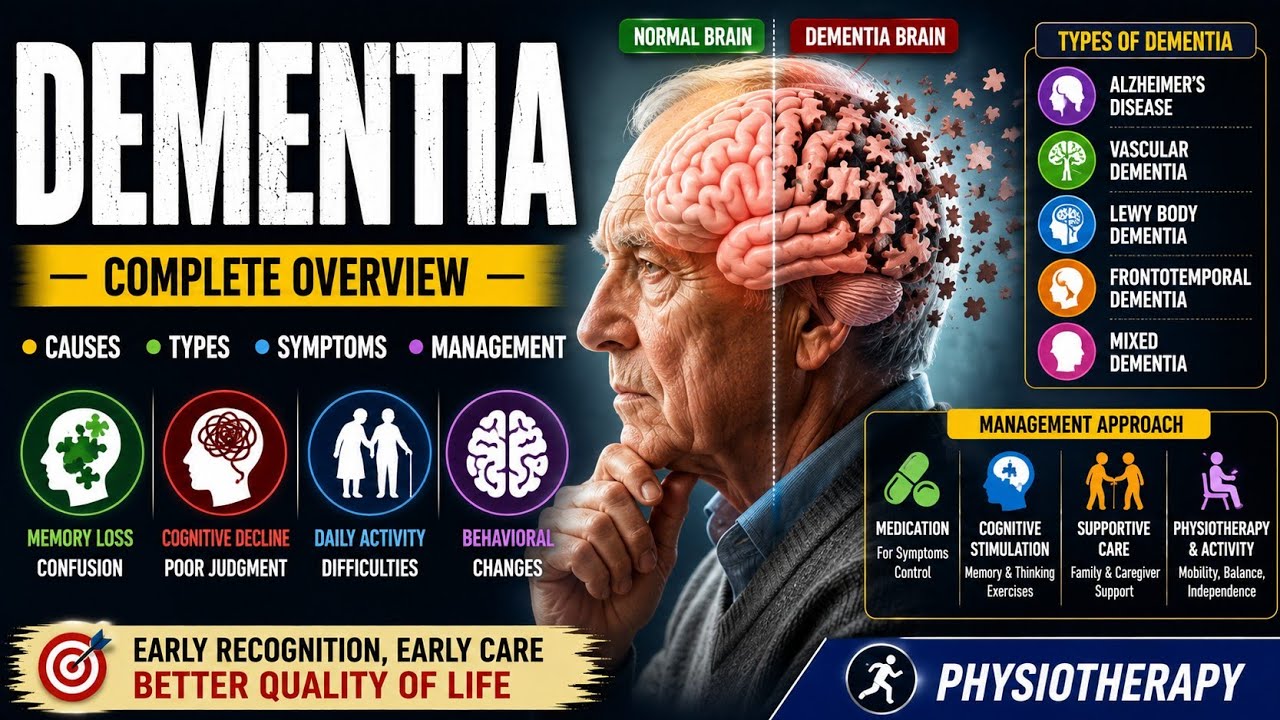
🧠 Dementia is a progressive clinical syndrome characterized by a decline in memory, thinking, reasoning, language, behavior, and the ability to perform daily activities. It is not a…